Biomechanical Insights Reveal How Elite Marathon Runners Optimize Their Stride Efficiency
Written by Yara Lange · Aug 18, 2026
Biomechanical Insights Reveal How Elite Marathon Runners Optimize Their Stride Efficiency
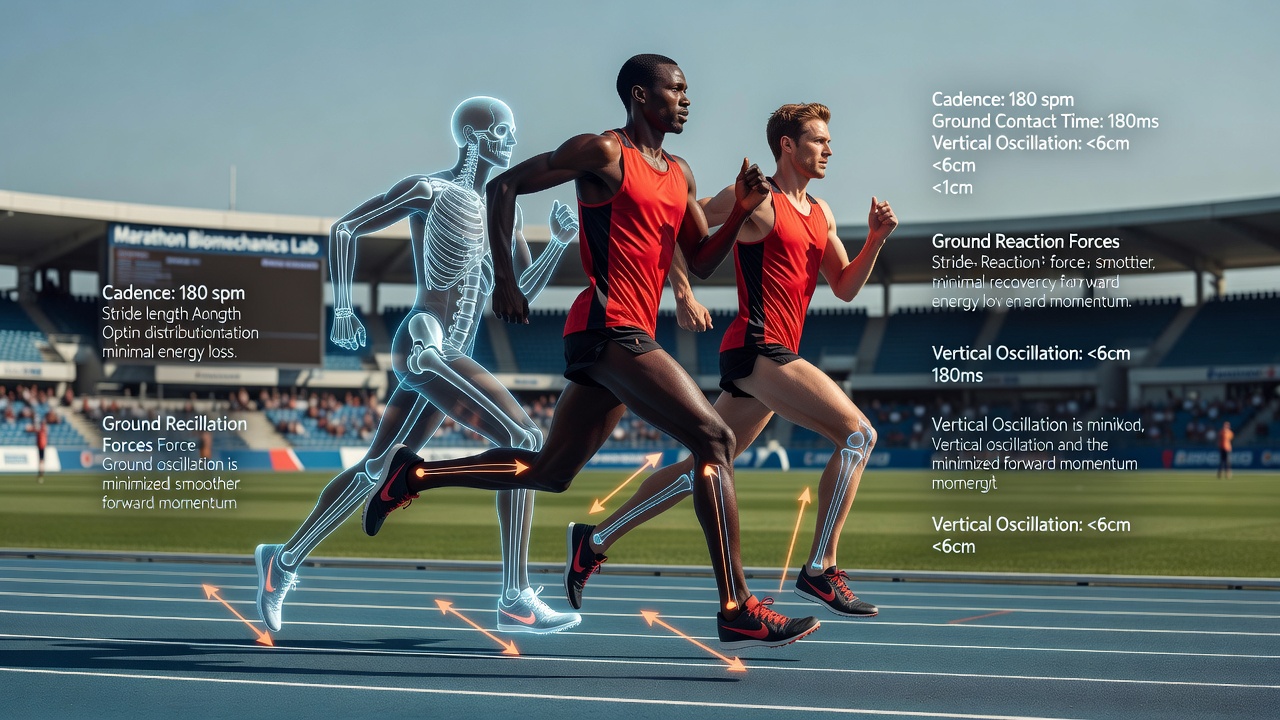
Elite marathon runners achieve remarkable efficiency through precise adjustments in stride mechanics that reduce energy expenditure over 42.2 kilometers, and researchers continue to document these patterns with motion capture systems and force plates. Studies from institutions across multiple continents show that ground contact time, vertical oscillation, and knee flexion angles play central roles in maintaining speed while conserving glycogen stores. Data released in August 2026 from ongoing longitudinal projects highlight how small modifications in these variables separate top finishers from the rest of the field.
Ground contact time stands out as one of the most measurable elements, with elite athletes often spending less than 0.25 seconds per foot strike during sustained efforts. This brief interaction allows runners to redirect force forward rather than absorb it vertically, and motion analysis from laboratories in Australia and Canada confirms that shorter contact periods correlate with lower oxygen uptake at marathon pace. Those who study these patterns note that recreational runners typically register contact times 20 to 30 percent longer, which increases the metabolic cost of each kilometer.
Stride Length and Cadence Interplay
Optimal stride length emerges when runners balance forward propulsion with minimal braking forces at initial contact. Elite competitors maintain cadences between 180 and 190 steps per minute even in the later stages of races, and this rhythm reduces the braking component that occurs when feet land too far ahead of the center of mass. Research coordinated through European sports science centers indicates that increasing cadence by five steps per minute while shortening stride length by a few centimeters can lower impact forces by measurable percentages without sacrificing velocity.
Arm swing contributes to overall stability and helps counterbalance rotational forces generated by the legs. Observers note that elite runners keep elbows at roughly 90 degrees and drive arms backward in coordination with opposite leg extension, which minimizes torso rotation and preserves forward momentum. Video analysis from multiple championship events demonstrates that excessive side-to-side arm movement correlates with increased energy loss and earlier onset of fatigue.
Impact of Foot Strike Patterns
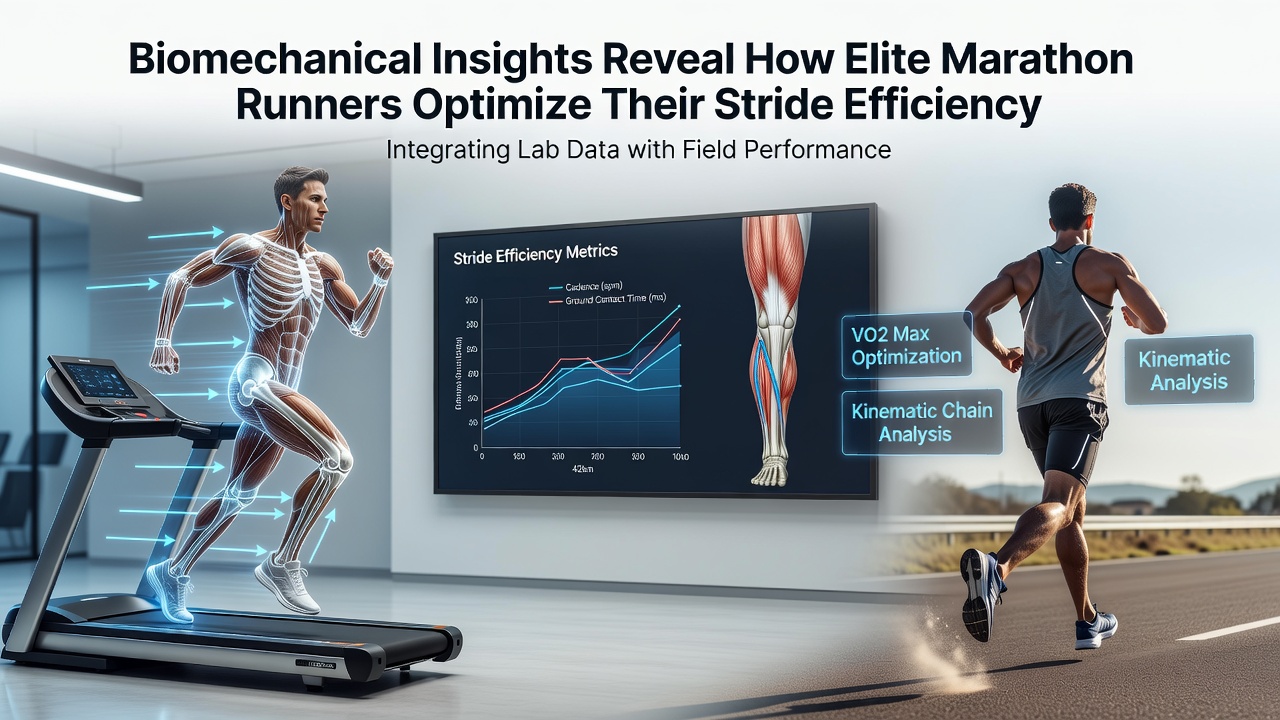
Foot strike patterns vary among top performers, yet certain trends appear consistently in biomechanical data. Midfoot or forefoot landings tend to reduce the eccentric load on the calves and Achilles tendons compared with pronounced heel striking, and studies from North American research groups show that this distribution helps delay the onset of muscular fatigue. Runners who transition toward midfoot contact often report improved running economy after structured training periods that emphasize proprioceptive drills and strength work.
Vertical oscillation also factors into efficiency calculations. Elite marathoners limit up-and-down movement to roughly 6 to 8 centimeters per stride, which keeps the center of mass traveling along a flatter trajectory and reduces the energy required to lift body weight with each step. Force plate measurements collected during controlled treadmill tests reveal that higher oscillation values demand greater muscular work even when speed remains constant.
Training Adaptations and Equipment Considerations
Strength training programs tailored to marathon demands focus on improving hip extension power and single-leg stability, both of which support longer strides without compromising cadence. Programs implemented by national training centers in Scandinavia emphasize eccentric loading exercises that prepare tendons for the repeated impact forces encountered during long runs. Athletes who follow these protocols demonstrate measurable improvements in running economy within eight to twelve weeks according to follow-up assessments.
Shoe technology has evolved alongside biomechanical understanding, with carbon-fiber plates and energy-return foams now standard in elite competition footwear. Laboratory tests conducted by independent facilities in multiple regions show that these designs can improve running economy by 2 to 4 percent under controlled conditions, although individual responses vary based on running form and prior adaptation. Governing bodies continue to monitor these developments to ensure equipment regulations remain consistent across international events.
Conclusion
Biomechanical research continues to refine the understanding of how elite marathon runners optimize stride efficiency through coordinated adjustments in contact time, cadence, posture, and force application. Findings from August 2026 and earlier projects provide coaches and athletes with objective metrics that guide training decisions and equipment selection. Continued collaboration among laboratories worldwide promises further clarification of the variables that determine success at the highest levels of the sport.